
A no spend challenge may sound simple and straight forward, but once you start, you may come to realize that there are many small and seemingly harmless purchases that put your entire progress at stake. Whether it’s that morning coffee run, a quick snack, or an online impulse purchase, a no spend challenge is a real-test of self-control and willingness to achieve something. It helps you reset your spending habits, build discipline, and save more money without feeling deprived. Like every other challenge, the no spend challenge comes with its own rules and regulations. This article will help you explore some rules of the no spend challenge to help keep you grounded, realistic, and consistent throughout the process.
Set a Clear Timeframe

Before jumping into the complex dynamics of the challenge, it is important to decide exactly how long the challenge will last. If you’re a beginner, start with a time frame that feels manageable and doable, like a week or even two weeks if you want to put your discipline to work.
A defined time period can help give your challenge structure and direction, making it more likely to work for you. Without it, it’s easy to lose track of the challenge and slip back into old habits. Over time, these small time-bound challenges can become habits, helping you spend intentionally even after the challenge ends.
Define What “No Spending” Means for You
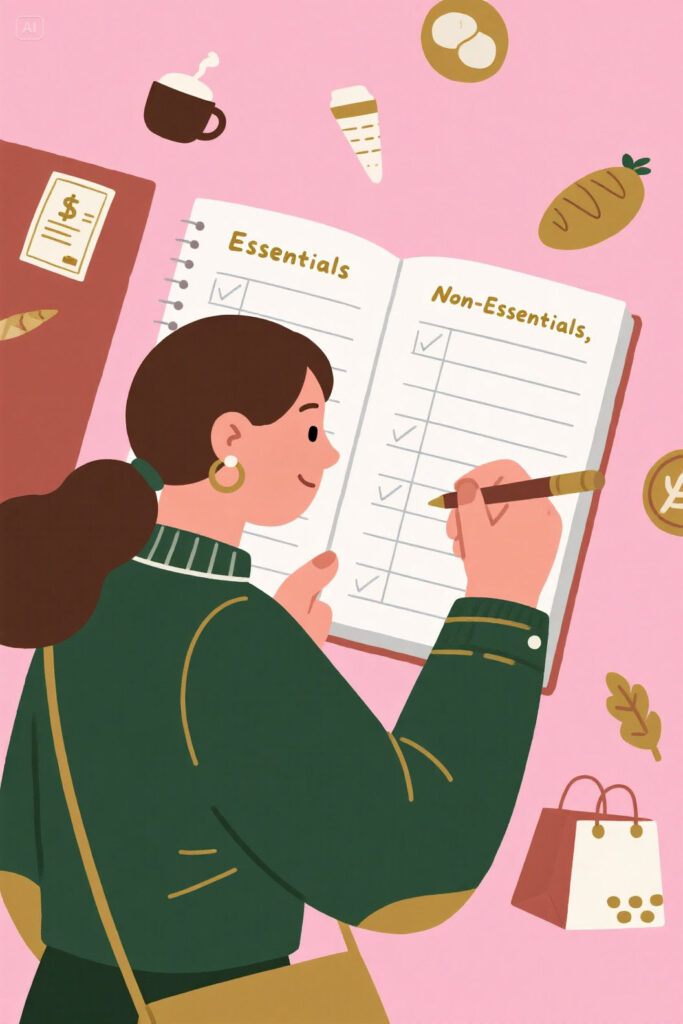
The term “no spend” can have a different meaning for everyone and that’s totally fine. The idea of the challenge isn’t to stop spending money at all because that would be unrealistic, it’s more about cutting back on unnecessary and impulse purchases that often end up costing you a lot.
You get to decide what “no spending”means in your situations. For example, essentials like bills, groceries, or transportations should always be allowed, however, nonessential expenses like takeouts, clothes shopping, or those daily coffee runs should be paused during the challenge. It’s essential to remember that the goal isn’t about depriving or punishing yourself, it’s about being more mindful and intentional where your money goes and how much of it is actually spent on what truly matters.
Create a List of Essentials
Once you’ve decided what’s allowed or what’s not, take a few minutes to list out your essential expenses, including all those things that are absolutely necessary for your basic needs. This can include your utility bills, groceries, transportations, or health-related costs.
Having this written down creates clear boundaries and helps prevent those sneaky spends that can put your progress off track, like buying new decor or that just one coffee run
. It’s also helpful to estimate how much you’ll need for these essentials before the challenge starts so you can set a mini budget. This way, you won’t feel guilty spending on needs, and you’ll avoid making emotional decisions in the moment
Set Clear Saving Goals
It’s much easier to stay committed to the challenge and follow it with a consistent flow when you have a reason or a goal behind the challenge. Whether you’re saving up for an emergency fund, need to pay off a debt, or simply want to save money for the future, having a clear and realistic goal can help you more than you may realize.
You can write down your goal clearly and place it somewhere visible so you can see it often, reminding yourself of it every day. Seeing your progress everyday, even if it’s small, can keep you motivated, urging you to take more meaningful steps towards your target.
Plan Your Meals Ahead
Most of the unplanned spendings happen when you’re hungry or tired, which is exactly why when you begin the no spend challenge, you need to plan your meals beforehand. Plan your weekly meals before the challenge starts and make a grocery list based on what you need.
Before you go to the grocery store to buy more items, look in our pantry and freezer and try using those up. This tip not only helps you save, it also helps you avoid wastage of money and food, making the most of what you already have, while also helping you eat healthier and nutritious meals made at home.
Unsubscribe from Temptations
It can be tempting to purchase when you often see online ads, store newsletters, or social media promotions. During the no spend challenge, aim to unsubscribe from promotional emails and mute brand accounts that tempt you to buy. You can also delete shopping apps for a month and stay committed and consistent with the challenge.
At the end of the challenge, you may be surprised by how much easier it becomes to save when you’re not constantly bothered by promotional emails or those limited time offers.
Use a Wish List Instead of Buying
Whenever you feel tempted to buy something during the challenge, pause for a moment and write it down on a “wish list.” It could be anything, a shirt you liked online, a home decor item, or even a new gadget.
The idea is to give yourself a little time before making the purchase and by the time your no-spend challenge ends, you might realize that you don’t even want most of those things anymore. This small habit helps you separate wants from needs, teaching you how much of your spending is driven by impulse rather than necessity. Plus, it’s surprisingly satisfying to look at your list later and see how much money you saved simply by waiting instead of buying right away.
Find Free Alternatives for Fun
Not spending money doesn’t mean you have to stop having fun, you just need to get a little creative. Instead of eating out or going shopping for entertainment, look for free or low-cost ways to enjoy yourself.
You can have a cozy movie night at home, go for a walk, play games with your family, or explore free community events around you. The goal is to remind yourself that happiness and fun don’t always have to come with a price tag, and once you start exploring these options, you’ll realize how many enjoyable things you can do without spending a single dollar.
Track Every Expense
Even though you’re trying not to spend, tracking your expenses during the challenge is still very important. Write down every amount you spend, even the essential ones like groceries or bills.
This helps you see where your money actually goes and how much you’re saving compared to your usual routine. You can use a small notebook, your phone, a budgeting app, or whatever feels easiest. Seeing your spending habits in front of you gives you a clear picture of your progress. By the end of the challenge, you’ll not only have saved money but also learned valuable lessons about your financial patterns and where you can improve.
Involve Family or Friends
Doing the no-spend challenge alone can be tough, especially when the people around you are still spending like usual. That’s why it’s a great idea to involve your family or a friend who shares similar goals.
You can motivate each other, exchange tips on saving, or plan fun, free activities together instead of spending money. It becomes less of a restriction and more of a shared experience. Having someone to talk to when you feel tempted also helps you stay accountable. Plus, it’s much more fun celebrating your success with someone who understands the effort it took to get there.
Prepare for Slip-Ups
It’s completely normal to make a mistake or two during the challenge. Maybe you bought something without realizing, or you had an unexpected expense that you couldn’t avoid, and that is completely okay.
Instead of feeling guilty and giving up altogether, treat it as a small learning moment. Ask yourself what triggered the spending and how you can avoid it next time. Remember, the no-spend challenge isn’t about perfection, it’s about progress, and every day you stick with it, even after a slip-up, counts as a success.
Reward Yourself Wisely
When you finally reach the end of your no-spend challenge, it’s important to celebrate your effort, but do it thoughtfully. Instead of rushing to buy everything you avoided, reward yourself in a simple and meaningful way. Maybe enjoy a quiet self-care day, buy one special thing from your wish list, or treat yourself to a small experience that genuinely makes you happy.
The point is to celebrate your discipline, not undo it. You’ve built new habits and learned valuable lessons, your reward should reflect that growth. A mindful celebration keeps your motivation alive and reminds you how powerful financial discipline can be.
Conclusion
The no-spend challenge is more than just a way to save money, it’s a way to reset your habits, regain control, and truly understand what adds value to your life. You learn how to pause before buying, how to enjoy what you already have, and how to feel proud of making intentional choices. It’s not about restricting yourself, it’s about creating space for things that actually matter. Once the challenge ends, you’ll likely find that your mindset around money has completely changed, you’ll spend more thoughtfully, save more easily, and feel a deeper sense of satisfaction with every financial decision you make.