
We often think it’s the big purchases that put our entire budget off track but the truth is that it’s those seemingly harmless and small expenses that hold us back from saving. It’s essential to identify those expenses and become more mindful and intentional with where the money we work so hard for goes. By identifying those leaks, you can make adjustments or modify your spending behavior so that the money starts to work for you, not against you. This article will help you explore 10 things to stop buying if you want to see your savings grow faster than ever, helping you identify those small expenses that quietly eat away your entire budget.
1. Daily Takeout Coffee

Grabbing your favorite morning latte or cold brew may feel like a necessity or a small pleasure that helps your day get better, but in reality, this daily coffee dose can be a real budget killer. Spending $4-$6 on coffee everyday is equal to more than a hundred dollars per month, and that is above $1200 per year, which is exactly why coffee is one of those expenses you should stop spending on if you wish to save money.
An alternative option is to make coffee at home which can cost you around 50 cents per cp, especially if you make a one time big purchase for a good coffee maker or French press. This way, you can still enjoy your daily caffeine dose but this time, you are saving money by making small adjustments.
2. Bottled Water
Buying bottled water may sound convenient at times but it is one of the most absolutely unnecessary expenses. The cost for a bottle of water may be under a dollar but when you multiply it by how often you buy it, the cost can quickly add up. A better way is to buy a water bottle that is durable and reusable.
You’ll not only save money this way but you’re also contributing to making the environment cleaner and more sustainable. Another way to look at it is that when you carry a durable and reusable water bottle with yourself, you can stay hydrated throughout the day. This is a simple habit that helps both your health and wallet, making it a considerable option to cut back on bottled water.
3. Subscription Overload
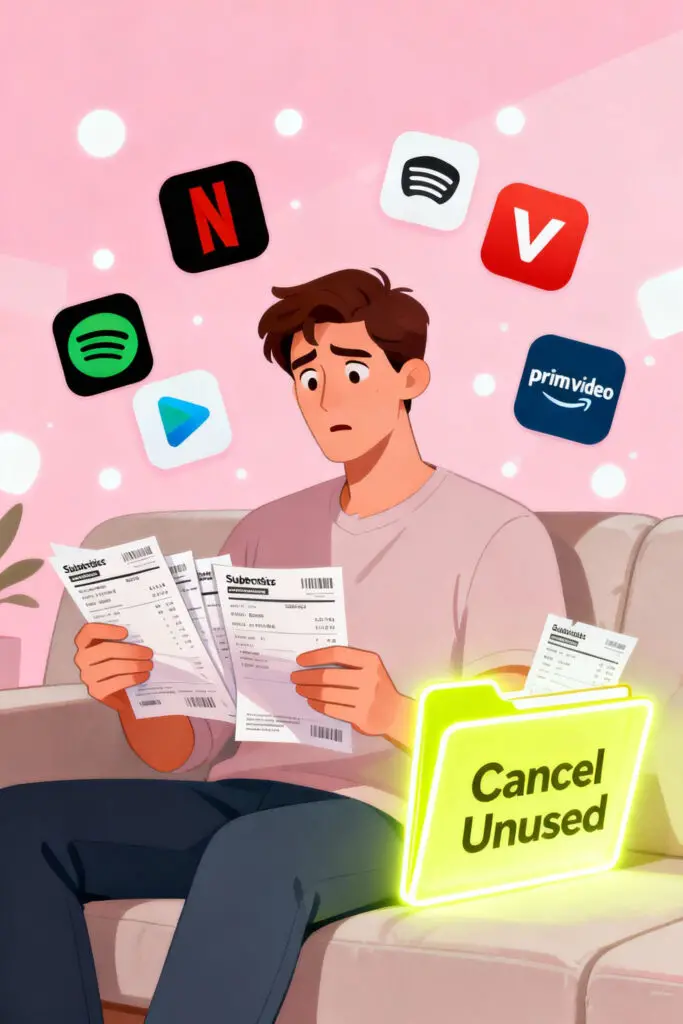
From streaming services like Netflix or Prime Video to music subscriptions like Spotify or Apple Music, it’s easy to lose track of what you’re paying for monthly. Most people regularly use only one or two subscriptions, while the rest often go unnoticed and continue charging quietly in the background.
An easy way to deal with subscription overload is to go through your bank statement, review the subscriptions you’ve subscribed to and cancel the ones you no longer need, and keep only those that add value to your life. The $20-$50 you save by cutting back on subscriptions you barely use can go towards something much more meaningful like a savings fund, making it one of the top 10 things to stop buying if you wish to save in an effective manner.
4. Fast Fashion
Buying cheap and trendy clothes can feel exciting at first, especially when you find something stylish for a low price, but these items often don’t last long. The fabric loses its shape, colors fade, or the trend goes out of style, and before you know it, you’re shopping again for more.
Instead of constantly chasing new trends, it’s better to spend on timeless, good-quality pieces like a comfortable pair of jeans, a classic blazer, or neutral tops that go with everything. These clothes not only stay in style longer but also save you money over time and keep your wardrobe simple and stylish.
5. Brand-Name Groceries
It’s easy to pick brand name groceries just because of this basic assumption that they’re better in quality but the truth is that store-brand or other generic options often have the same items with the same ingredients but at a much lower price than those brand-name groceries. For example, picking just five grocery store-brand items instead of brand-name items can save you hundreds per year, making it a considerable option to cut back on branded grocery items. So the next time you shop, try comparing both the grocery items and you might be surprised by how both the brands offer the same ingredients and quality but one has a much lower price than the other.
6. Impulse Purchases
Companies and their marketing departments know exactly how to tempt you to purchase with all those limited time offers and flash sales. While these strategies may sound harmless, they can create a sense of urgency and make you spend on things you don’t really need.
One simple trick to fight the urges to impulse buy is to use the 24 hour rule which is all about giving yourself a 24 hour break before you buy anything. This 24 hour gap can help you reflect on your decision to purchase and whether the item is worth your hard-earned money. In most cases, the urge to spend may fade away and you’ll come to realize that it wasn’t worth your money after all, however, if it continues to persist, you can go on with the purchase.
7. Eating Out Frequently
Whether it’s grabbing lunch during work, ordering food because you’re too tired to cook, or treating yourself to dinner on weekends, eating out can take a much bigger bite out of your budget than you realize. A single meal from a restaurant can easily cost two to three times what it would if you made it at home.
The best way to save money while still enjoying good food is to start cooking more often. You don’t have to make complicated recipes, just start with simple home-cooked meals that can be healthy, satisfying, and budget-friendly. Meal prepping for a few days ahead or cooking larger portions to reheat later can make your life easier and help you resist the temptation to order takeout.
8. Tech Upgrades You Don’t Need
We all love the excitement of owning the latest phone, laptop, or gadgets with those sleek designs, new features, and the feeling of staying up to date. But more often than not, these upgrades offer only small changes that don’t justify the high cost.
Replacing your phone or gadget every year can drain your finances quickly, especially when your current device still works perfectly fine. Instead of rushing to buy every new release, try using your devices until they genuinely need replacing. This simple mindset shift can save you hundreds or even thousands of dollars in the long run. Plus, keeping your gadgets longer reduces electronic waste, which is another way you can contribute positively to the environment.
9. Fancy Skincare and Makeup
It’s easy to get caught up in the hype of luxury skincare and makeup brands that promise flawless results, glowing skin, and instant transformation. But the truth is, many of these expensive products contain the same key ingredients as affordable drugstore alternatives.
The smarter way to take care of your skin is to understand what it really needs. Do a little research, check the ingredient list, and choose affordable, effective products that fit your skin type.
10. Trendy Home Decor
It’s fun to redecorate your home and follow the latest interior trends you see on Pinterest or Instagram, but constantly updating your space can become a costly habit. Buying new throw pillows, wall art, and furniture every few months might make your home look fresh, but it also empties your wallet faster than you think.
A better approach is to invest in timeless pieces that reflect your personal style and can be paired with different accents as trends change. For example, neutral-colored furniture, classic rugs, and simple decor items can adapt easily to new looks with just a few small, inexpensive updates. This not only keeps your space beautiful and cozy but also saves you from feeling pressured to spend every time a new trend appears.
Conclusion
Saving money doesn’t have to feel restrictive or overwhelming, it’s really about making thoughtful, intentional choices that help you use your money in a way that benefits you. By cutting out unnecessary purchases and focusing on what truly matters, you give yourself the freedom to save more, stress less, and build a stronger financial foundation. Each small change you make, whether it’s skipping daily coffee runs, canceling unused subscriptions, or resisting impulse buys, adds up to something much bigger over time. The key is to stay consistent and remind yourself that every dollar you save today is a step toward a more secure, confident, and financially stable future.