
A few years ago managing money felt like an overwhelming task where I had to constantly wonder where my money was going. No matter how much I earned, it was never enough and those small leaks were always one step ahead. Whether it was paying bills, buying groceries, or spending on myself, I constantly had to worry if my paycheck would make it till the end of the month, until I was introduced to the Japanese Kakeibo savings method. Unlike the modern budgeting methods or ways to manage finances that focus on spreadsheets or budgeting apps, Kakeibo focuses on mindful spending, reflection, and putting pen to paper. This article will help you explore the dynamics of the Japanese Kakeibo savings method, helping you change your finances the same way I changed mine a few years back.
What Is the Kakeibo Method?
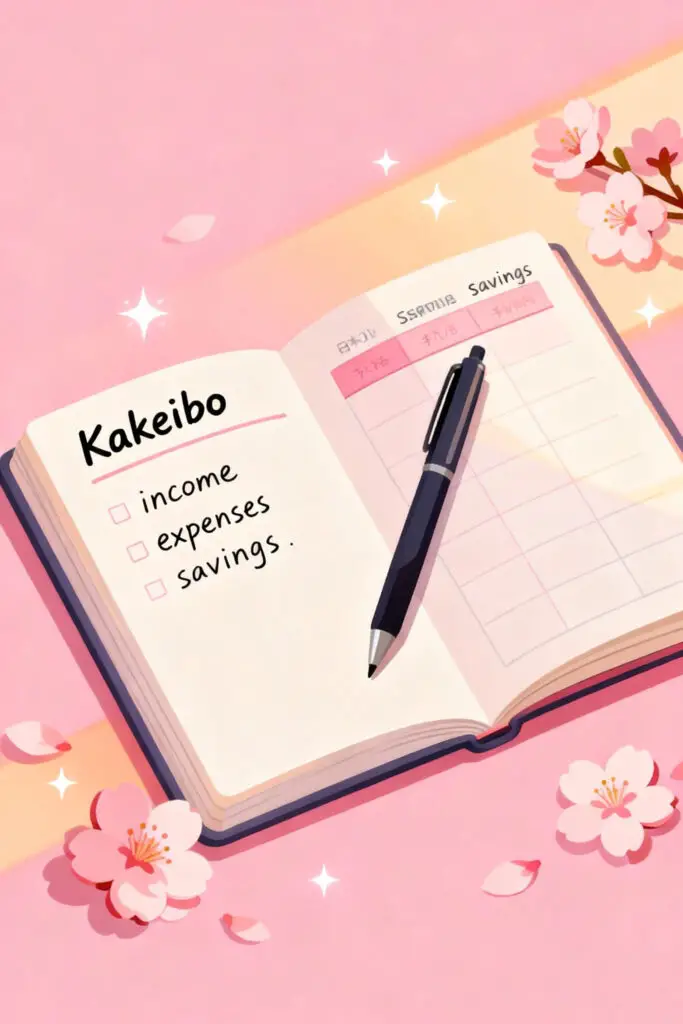
The Japanese word Kakeibo literally translates to household financial ledger. It’s a Japanese practice created more than a century ago to help families manage their finances without any stress and worry.
What makes the Kakeibo method so special is that it is simple, practical, and easy to understand. It is all about tracking your income, expenses, and savings goals manually in a notebook. While this approach may seem simple, it helps you truly think before you spend, helping you understand why money flows the way it does.
The Philosophy Behind Kakeibo
Unlike most of the budgeting methods that focus on restriction and holding back on things you enjoy, the Kakeibo method is more about reflection and mindful spending. The Japanese believe that financial peace does not come from having more money, it comes from knowing how to manage it wisely and calmly.
What makes this method a considerable option is that you can develop a deeper and more meaningful connection with your money rather than treating it as something that helps you run your life smoothly or as a source of stress.
The Four Fundamental Questions
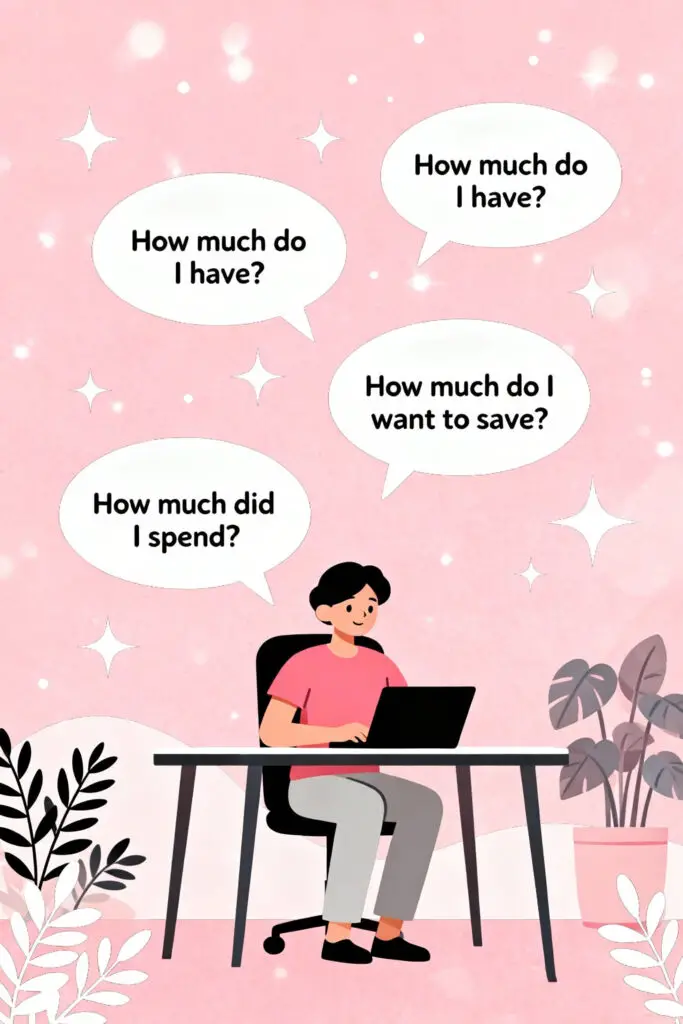
Each month the Kakeibo method begins with four fundamental questions that help guide you towards mindful decision taking. You can ask yourself questions like, “How much money do I have?”, “How much would I like to save?”, “How much am I spending?”, and “How can I improve next month?”
All of these questions focus on reflection and self-growth, allowing you to manage your finances while also making room for improvement and a deeper connection with money. By answering all of these questions with honesty, you may begin to see your spending patterns, your priorities, and how your emotions may be impacting your spending choices.
The Four Spending Categories
To simplify your expenses, the Kakeibo method classifies your expenses into four easy categories: needs, wants, culture, and those unexpected expenses. Needs can include your essentials like groceries, rent, housing, or transportation, wants can include shopping, subscriptions, or takeouts, culture can include spending on books, hobbies, or classes that enrich your mind, and lastly, the unexpected expenses category can include gifts, repairs, or unplanned costs that show up out of nowhere.
The main catch of having these four categories is that it gives your finances structure and discipline, giving you the clarity on where to cut back or adjust.
Writing Everything Down
The main catch of Kakeibo is writing by hand instead of relying on digital apps. This method allows you to record every income and expenses manually which can help you become more aware of your income, expenses, and spending habits. This small act of writing can create awareness, allowing you to become more intentional and mindful when it comes to your hard-earned money.
Over time, this act can reveal your unhealthy spending patterns, ensuring you make logical financial decisions whenever you need to make one.
Setting a Monthly Savings Goal
Every month, the Kakeibo method begins with a simple yet highly powerful exercise that is setting a savings goal. You can decide how much you want to save this month and that becomes your goal for that month. Whether it’s $50 or $500, it’s your choice to set a goal but the key is to choose a number that is doable and practical.
Once you have planned your savings amount, you can plan for the rest of the month accordingly, ensuring that saving is more about intention and planning. Over time these goals can help you save a large and meaningful amount that can help you build financial stability and security in the long run.
Reflecting at the End of Each Week
The Kakeibo method is mainly about putting thought and reflection in your actions which is exactly why it is important to review at the end of every week You can review by asking yourself meaningful questions like “What did I spend the most on?”, “Was the purchase worth my money?”, “How did I feel after I spent my money?”, “or What improvements can I make for the next week?”
While this may seem like a simple exercise, this habit can help you identify patterns and make decisions to modify them, allowing you to turn saving into a conscious lifestyle choice that will serve you in the future.
Learning to Differentiate Between “Wants” and “Needs”
We can often confuse needs with wants, which is exactly why it is important to confront one of the hardest financial truths that only because one thing feels like a need, does not make it one. Before any purchase, make sure to pause and ask yourself questions like “Do I really need it?”, Do I just want it right now?”, “Is this purchase really necessary or does it only bring temporary satisfaction with it.”
These tiny moments of reflection can create long-term financial discipline, helping you stick to what truly matters. It’s less about depriving yourself and more about making sure that your actions align with your goals and values.
Tracking Savings Progress Visually
What truly helps to keep track of your saving process is monitoring it visually through charts, color codes, or envelopes. Seeing the numbers go up or the chart being filled up can make the process feel a bit more personal than looking at just a number in an app or keeping track through spreadsheets.
This seemingly simple step can turn saving into something tangible and regarding, almost like a personal achievement that serves as a reminder that you can achieve anything if you put your heart into it.
Mindful Spending Moments
Kakeibo encourages mindfulness which is exactly why it is necessary to be aware of the why behind your purchase. Whether it’s for your pleasure, a need, or just something you bought for the sake of buying it, it is important to know the reason behind the purchase.
This simple activity can help you start noticing triggers like buying yourself some snacks, grabbing a coffee, or shopping online only out of boredom. Once you identify these patterns, it becomes easier to make intentional changes, for example instead of emotional spending, you can replace it with journaling, a walk, or a small self-care activity that doesn’t involve money.
Using Cash for Better Control
In today’s world, where most of us rely on digital payments, it’s easy to lose track of how much we’re spending because money feels less real when it’s just numbers on a screen. The Kakeibo method, however, encourages you to use cash for your daily or weekly expenses so that you can see and physically feel the money leaving your hands. When you pay with cash, you become more aware of every purchase you make because you can literally see your wallet getting lighter.
Many people who follow Kakeibo keep separate envelopes for different spending categories, such as food, transport, entertainment, or personal care, and once an envelope is empty, that’s a clear sign that it’s time to pause and wait for the next budget cycle.
How Kakeibo Changed My Relationship With Money
Before I discovered Kakeibo, I used to feel like my finances controlled me instead of the other way around. I often made impulse purchases to feel better, told myself I “deserved” a treat after a stressful week, and felt anxious whenever it came time to check my bank balance. But once I started practicing Kakeibo, something shifted and I became more intentional, calmer, and surprisingly more grateful. Writing things down helped me understand not just what I was spending on, but why I was spending in the first place.
Over time, saving money no longer felt like punishment or deprivation, it became something deeply rewarding not because of a bigger paycheck, but from having a better relationship with my money.
Conclusion
The Japanese Kakeibo savings method is not just another budgeting trend, it’s a mindful lifestyle approach that helps you create balance between your needs, your desires, and your financial goals. It reminds you that saving money doesn’t have to be complicated or strict, it can be reflective and personal. By slowing down, writing things by hand, and taking a moment to understand your emotions behind each purchase, you begin to see money in a completely new light. You might be surprised by how a simple pen, a few honest reflections, and a little mindfulness can completely change the way you handle money, and the way you feel about it too.