
Sometimes it can feel like money slips away without you even realizing whether it’s your daily coffee run, a quick snack, or an impulsive online order, and all of a sudden you come to realize that there’s no money left behind for you to spend. This is exactly where the no spend challenge comes in which isn’t about cutting off every expense because that would be unrealistic, this challenge is about spending on essentials and those basic expenses only that you can’t live without. By committing to avoid spending on non-essentials for one complete month, you can gain better control over your urges to spend and come to realize that spending on non-essentials isn’t as important as you might have thought in the past. This article will help you explore the dynamics of the no spend challenge, allowing you to become more mindful towards your hard-earned money and gain a better control over what you spend at.
Understanding What a No-Spend Challenge Really Means
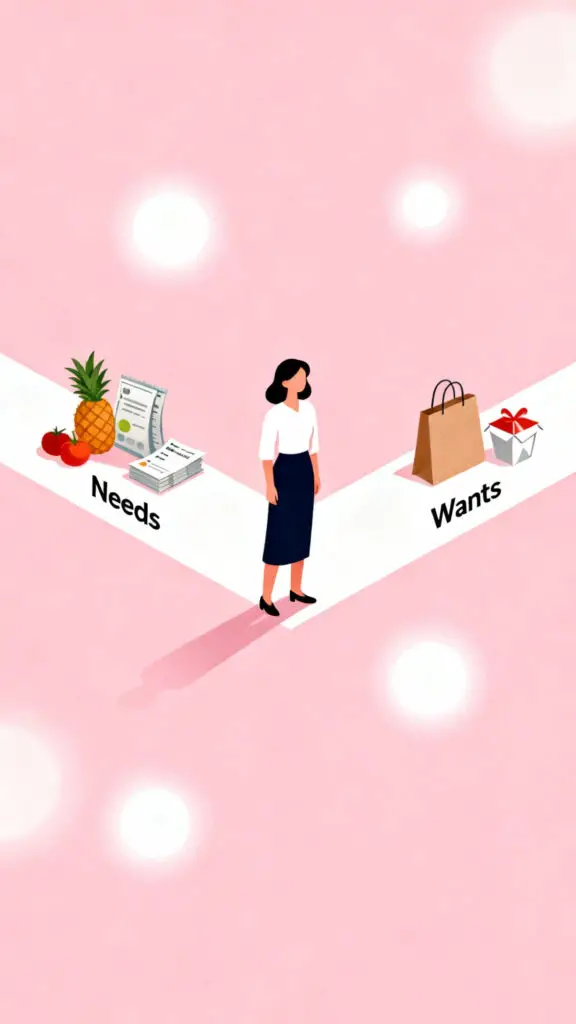
Before you begin, it is important to understand what a no spend challenge actually is. A common misconception about this challenge is that it is all about saying no to every expense and depriving yourself, however in reality, this challenge is more about focusing on your needs rather than your wants and becoming more intentional with where your money goes.
During this challenge, you can still buy groceries, pay rent, or spend on healthcare, but you avoid spending on eating out, new clothes, or random online shopping sprees. Once you go through a few days of not spending consciously, it helps you realize that many of your purchases are just habits, not essentials or purchases that are necessary for survival, urging you to rethink your spending pattern.
Setting Clear and Realistic Rules for Yourself
The definition of needs and wants are different for everyone which is important to define what it means for you before you start the challenge. For example, going out for coffee once a week may feel like an essential expense to your social well-being and that’s completely okay, the catch is just to plan for it so that whenever you go for that purchase, it doesn’t affect your budget.
The key is to write your expenses down clearly that you think are non-essential ones and it doesn’t hurt to cut them off for one month, whether it’s no eating out, no online shopping, or no impulse purchases. When the boundaries are set from the start, it becomes easier to stick with the challenge, leaving no room for confusion and ambiguity later on.
Identifying What Counts as “Essential” vs. “Non-Essential”
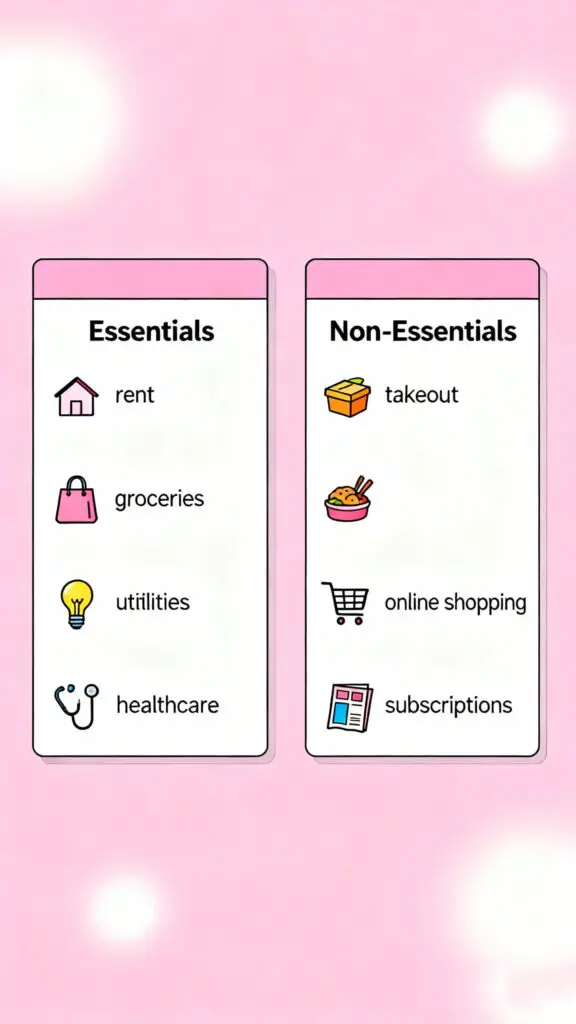
The next step in the no spend challenge after you set clear goals is to identify what truly counts as an essential expense and what just feels nice to have. Essentials are the things you truly need to live, whether it’s rent, groceries, utilities, healthcare, or transportation, whereas, non-essentials are those nice-to-have items like takeout, subscriptions, or online shopping sprees that bring along temporary contentment and satisfaction.
You can make two separate lists before you start so you can continue with the rest of the challenge without any confusion. Not only does this step help you stay organized, it also helps you stay mindful of where your money is going, allowing you to prioritize needs over wants.
Defining Your Purpose and Motivation
The next step is to define your purpose and motivation and know the ‘why’ behind the challenge. Whether it’s for an emergency fund, paying off a debt, or simply building discipline when it comes to your financial life, defining your purpose is an essential step in the no spend challenge.
When your goal feels personal, it becomes easier to stick to the challenge and achieve whatever the target is. You can write down your target somewhere you can see it often, whether it’s your fridge door, your room mirror, or in your wallet. The key is just to remind you why you started in the first place, helping you become motivated and consistent towards the challenge.
Preparing Your Budget Before Starting
The next step is to prepare a budget before you start, it can be a basic budget just to make sure that you’re covered for the basic essentials for a complete month. You can look at your monthly income, list your fixed expenses, and decide what you’ll allow yourself to spend on.
Once you’ve planned your essentials, the next step is to set aside a small amount for emergencies because unexpected circumstances can happen anywhere and anytime.
Finding Free or Low-Cost Alternatives to Spending
One of the most underrated yet fun parts about this challenge is that it brings along the opportunity to find free and low-cost alternatives to have fun. For example, instead of having a fancy dinner outside, you can cook at home and put your kitchen skills to work, instead of going shopping, you can organize your closet and rediscover things you forgot you had, and you can also enjoy free fun experiences like reading, journaling, spending time outdoors, and watching free content online.
Not only does this trick help you save money, it also allows you to explore new skills, hobbies, or activities that bring pleasure and contentment and are pretty much free.
Removing Temptations and Avoiding Triggers
One of the most important steps in the no-spend challenge is learning how to remove temptations and avoid triggers that usually make you spend without thinking. To make this challenge work, you can try unsubscribing from marketing emails, deleting shopping apps from your phone, and staying away from places where you know you tend to overspend.
If you usually shop when you’re bored or stressed, try to replace that habit with something more fulfilling like reading, exercising, or going for a walk.
Tracking Every Dollar You Don’t Spend
Tracking your progress is one of the most rewarding parts of this challenge because it helps you see the results of your efforts in real numbers. You can keep a simple notebook or use a budgeting app to record every dollar you didn’t spend on non-essentials. For example, if you skipped your usual coffee run or resisted an online sale, note down the amount you saved that day.
By the end of the week, you’ll have a clear picture of how those small decisions added up. This not only builds motivation but also gives you a sense of pride in your self-control and discipline.
Staying Accountable Through Journaling or Sharing
Accountability can be a big motivator during your no-spend challenge, especially on days when it starts to feel a bit hard or slow. You can try journaling your daily thoughts and progress, writing about what tempted you to spend and how you overcame it.
This helps you understand your emotional connection with money and keeps your goal fresh in your mind. Another great way to stay accountable is to share your challenge with a friend or family member who can support and encourage you throughout the process.
Handling Challenges and Setbacks Positively
There will be times during the challenge when you might slip up or feel like you’ve lost control and that’s completely normal. Maybe you spent on something unnecessary one day because you were stressed or tired. Instead of feeling guilty about it, look at it as an opportunity to understand what triggered that purchase. Once you identify your weak points, you can find healthier ways to handle them next time.
Reflecting on What You Learned During the Challenge
When the 30 days come to an end, it’s important to take a step back and reflect on what this experience taught you. You might realize that you don’t actually miss buying as many things as you thought you would or that you feel more in control of your money and emotions.
You may even notice how much lighter and more confident you feel when you’re not constantly thinking about spending.
Planning What Comes Next After 30 Days
Once your no-spend challenge ends, the most valuable thing you can do is decide how to use your savings and what financial habits you want to carry forward. You can use the extra money you saved to build an emergency fund, pay off a small debt, or even start saving for something meaningful like a trip or investment.
You can also consider repeating this challenge every few months as a way to reset your spending habits.
Conclusion
The no-spend challenge isn’t just about saving money, it’s about reshaping how you think about money altogether. In just 30 days, you can build awareness, patience, and a deeper sense of control over your financial life. You start to see that happiness doesn’t come from constant spending but from feeling secure and intentional about where your money goes. What begins as a one-month experiment can often turn into a life-changing habit, helping you focus more on what truly matters and less on the temporary satisfaction that spending brings.