
Budgeting as a couple can feel a little overwhelming in the beginning, especially when two people with different upbringings, money habits, and spending styles suddenly have to sit together and make joint financial decisions. It’s not just about numbers on a spreadsheet, it’s really about communication, trust, teamwork, and slowly creating a financial system that feels fair and comfortable for both partners. When done intentionally, budgeting becomes something that strengthens the relationship rather than creating stress. It gives both partners a sense of control, clarity, and confidence about where the money is going and how future goals will be met. And the best part is that budgeting doesn’t have to be strict or complicated, it just needs to be honest, simple, and consistent.
Start With an Honest Conversation About Money
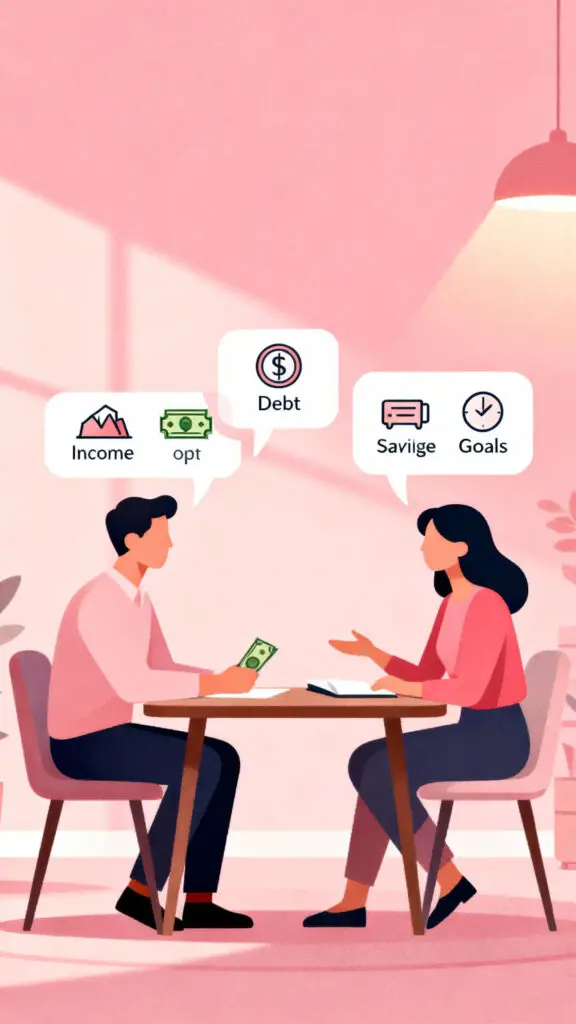
Before planning any budget, the first step is sitting down and having a very real, open-hearted conversation about money. Many couples avoid money talks because they fear disagreement, but in reality, this conversation builds understanding. Both partners should share their income, debts, spending habits, financial fears, and long-term dreams.
Make it a safe space where no one feels judged and when both people understand each other’s background and what money means to them, it becomes easier to work together. This conversation sets the foundation for future decisions, helps avoid hidden surprises, and ensures you both start the budgeting journey as a united team.
Choose Whether to Combine, Separate, or Hybrid Your Finances
Every couple is different, so there’s no single correct way to manage money. Some couples prefer fully combining finances, others prefer completely separate accounts, while many choose a hybrid system where they manage shared expenses together but maintain individual freedom.
The key is choosing what feels fair and comfortable for both. Discuss openly how you will split bills, savings, and personal spending. The goal should be to remove confusion and resentment while giving both partners independence. When you choose the right system, budgeting becomes smoother and arguments reduce because both people understand their responsibilities clearly.
Create Shared Financial Goals Together

One powerful way to bond as a couple is through shared goals. Sit together and list what you want to achieve in the next few months and the next few years, maybe saving for a vacation, paying off debt, buying a car, building an emergency fund, or planning for a home. When goals are written down, they become more real and easier to work toward.
Make sure both partners feel heard and that the goals reflect both people’s desires. You can then break these big dreams into smaller, monthly or weekly targets that feel achievable. Working toward something exciting together makes budgeting feel meaningful rather than restricting.
Track Your Combined Household Income
A couple’s budget starts with understanding exactly how much money is coming in every month. This includes salaries, freelance income, benefits, or bonuses. When both partners know the total household income, planning becomes clearer. Tracking income also helps you divide responsibilities fairly, some couples split everything 50/50, while others contribute based on their income percentage.
There’s no right or wrong, it just needs to feel fair. Keeping a clean record of your combined income reduces confusion, makes goal-setting easier, and ensures you both have a clear picture of your financial strength as a team.
List Out All Shared Monthly Expenses
To create a stable budget, couples need to write down every fixed and variable expense, from rent and groceries to utilities, transportation, internet, subscriptions, and even small daily expenses like coffee. Many couples underestimate their monthly spending because they don’t track the tiny things.
Listing everything helps you understand your true lifestyle costs and prevents overspending. This also makes decision-making easier because you can see where changes are needed. When both partners participate in listing expenses, it creates transparency, reduces misunderstandings, and keeps both people aligned on how the household money is being used.
Build an Emergency Fund as a Non-Negotiable
Every couple needs an emergency fund, a safe backup that protects you from unexpected situations like job loss, car repairs, medical bills, or sudden expenses. Treat this fund as a shared responsibility and aim to save at least 3 to 6 months of expenses over time.
Start small if needed, even if it’s just a little every week because the goal is safety and peace of mind. When couples have an emergency fund, they feel more secure, argue less during stressful times, and handle challenges as a team instead of panicking or blaming each other.
Use the 50/30/20 Rule or a Similar Budgeting Framework
Budgeting becomes much easier when couples follow a simple structure because it removes the stress of guessing how much to spend or save each month. The 50/30/20 rule is a great starting point with 50% going to essential needs, 30% to wants, and 20% to savings and future planning but what makes this method truly helpful is how flexible it is.
Every couple has different priorities, so you can adjust the percentages to match your income, goals, and lifestyle without feeling restricted. This gentle structure helps both partners stay disciplined, make more mindful spending choices, and still enjoy life without guilt.
When the boundaries are clear yet adaptable, budgeting becomes a smooth and predictable routine that naturally reduces misunderstandings, overspending, and the small financial disagreements that often create tension in relationships.
Have Weekly or Monthly Budget Check-Ins
Budgeting is not a one-time activity, it’s something couples must revisit regularly so they can stay on track. Pick a day every week or month where you sit together, review expenses, check savings progress, and make any adjustments.
Keep these meetings calm, short, and kind, so they don’t feel stressful. Celebrate small wins, like sticking to the budget or hitting a goal. Regular check-ins prevent misunderstandings, build trust, and ensure both partners remain involved instead of one person carrying all the financial responsibility.
Set Personal Spending Allowances
One of the biggest reasons couples fight about money is feeling controlled or judged for personal purchases. To avoid this, set personal allowances for each partner, a fixed amount each can spend freely without explaining or justifying it.
This gives both people independence and removes guilt around treating yourself. Whether it’s shopping, hobbies, or small indulgences, having your own personal funds creates balance in the relationship. It also helps maintain the budgeting system because personal spending stays within a healthy limit.
Tackle Debt Together as a Team
If either partner has debt such as student loans, credit cards, or car financing, treat it as a shared challenge instead of one person’s burden. Discuss how you’ll prioritize repayments, whether you want to clear high-interest debt first, or focus on the smallest balance for motivation.
Debt can create stress, so the key is building a plan that both feel comfortable with. When couples support each other instead of blaming or hiding debt, repayment becomes faster and emotionally easier. Working together makes the journey feel lighter.
Use Budgeting Apps or Shared Spreadsheets
Technology can make budgeting so much easier for couples. Apps like Goodbudget, YNAB, or even Google Sheets let you track expenses, share updates in real-time, and stay organized.
When both partners see the numbers clearly, there’s less confusion and fewer disagreements. Use tools that match your comfort level as some prefer simple spreadsheets, while others like automated apps. The goal is to stay transparent, make tracking quick, and help both partners stay involved in managing household money.
Plan for Fun, Celebrations, and Quality Time Together
Budgeting isn’t just about bills and savings, it should also include joy. Make space in your budget for date nights, gifts, celebrations, small trips, or anything that strengthens your bond.
Couples often forget to plan for fun, and then feel guilty later when spending unexpectedly. By allocating a “fun budget,” you both enjoy life without stress. This makes financial planning feel balanced, more human, and less like a strict set of rules. A budget that includes happiness is easier to stick with long-term.
Conclusion
Budgeting for couples is not about restricting each other but about building a life together with clarity, peace, and teamwork. When both partners communicate openly, set goals together, track expenses honestly, and review progress regularly, money becomes a source of stability rather than stress. A good budget helps you achieve dreams faster, avoid unnecessary conflicts, and create a financial partnership that feels fair and supportive. Remember that budgeting is a learning process and it won’t be perfect in the beginning, but with patience, consistency, and kindness, you’ll build a financial system that works beautifully for your relationship and your future.