
Resetting your budget may sound overwhelming especially if money has been feeling stressful, confusing, or slightly out of control lately, but sometimes what you truly need is not more time, it is a clear and honest reset. When expenses slowly pile up, when small purchases turn into big totals, and when bills start feeling heavier than usual, it becomes easy to feel discouraged and stuck. However, taking one dedicated weekend to sit down, reflect calmly, and reorganize your financial plan can completely shift the way you feel about money. A weekend reset is not about punishing yourself for past mistakes, but about understanding where things went off track and creating a simple plan that feels practical and manageable. This article will help you explore ways to reset your budget, helping you rebuild your confidence and move forward with clarity instead of stress.
Reflect Honestly On Your Current Financial Situation
The first and most important step in resetting your budget is to look at your current financial situation with honesty and maturity because without understanding where you truly stand, it becomes impossible to move forward in a stable way. Many people avoid checking their bank balances or reviewing their debts because it feels uncomfortable, but ignoring the numbers can only increase anxiety over time.
Take a quiet moment during your weekend to carefully review your bank accounts, credit card balances, unpaid bills, savings, and any loans that you may have. Write everything down clearly so that you are not relying on rough guesses or assumptions. When you see your finances on paper, the situation can feel more manageable because facts replace fear.
Track Every Expense From The Past Month
Before creating a fresh budget, it is necessary to understand exactly where your money is going because many spending habits happen so naturally that they go unnoticed. Go through your transactions from the past month carefully and divide them into clear categories such as groceries, rent, transportation, eating out, subscriptions, shopping, and personal expenses.
This process can be eye-opening because small daily purchases that may feel harmless can quietly add up to a significant amount. A coffee here, a food delivery there, or a quick online order may not seem serious individually, but together they can affect your overall budget more than expected. Tracking your expenses allows you to see patterns clearly and helps you understand which areas need adjustment.
Identify Financial Leaks And Unnecessary Spending
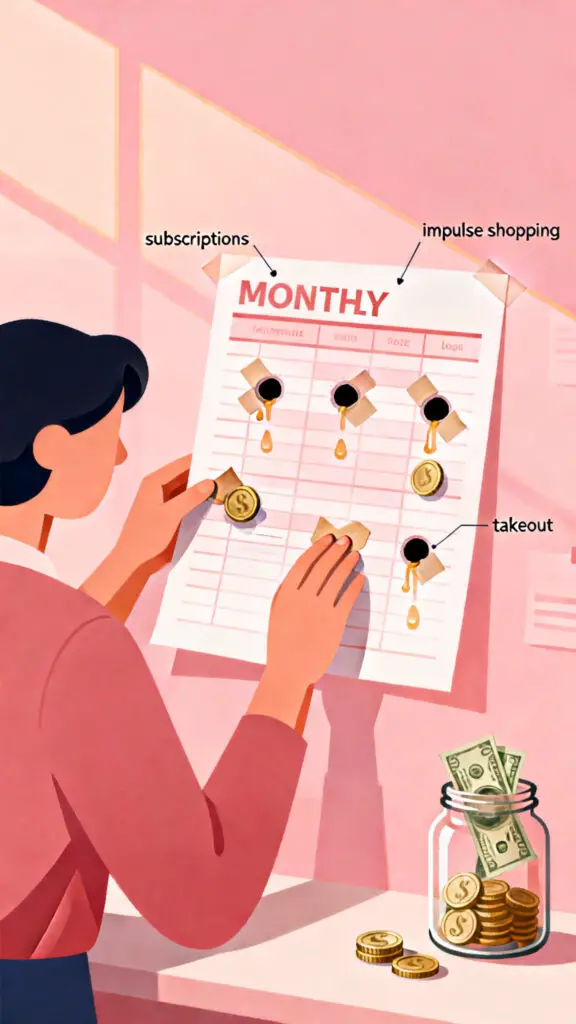
Once you have tracked your expenses, the next step is to identify financial leaks which are expenses that continue quietly without adding real value to your life. These may include subscriptions you forgot about, memberships you no longer use, frequent impulse purchases, or convenience spending that happens out of routine rather than real need.
It is important to review these expenses calmly and ask yourself whether each one truly serves a purpose in your life. If something does not support your priorities or bring meaningful benefit, it may be time to remove it. Even canceling two or three unnecessary expenses can create extra breathing space in your budget. These small corrections may not seem dramatic, but over time they can make a noticeable difference and help your finances feel lighter and more organized.
Recalculate Your Monthly Income Clearly
A successful budget reset requires clarity not only about spending but also about income because you cannot build a strong plan without knowing exactly how much money is coming in. Take time to calculate your total monthly income after taxes and include all reliable sources such as salary, side work, or consistent freelance income. It is important to avoid depending on irregular or uncertain earnings when planning your budget because this can create future stress if that income does not arrive as expected.
Base your new spending plan on stable and guaranteed income so that your budget feels secure rather than risky. When you clearly understand how much you earn and compare it honestly with how much you spend, you gain control over your financial direction.
Separate Needs From Wants Carefully
When resetting your budget, one of the most important exercises is to clearly separate your needs from your wants because this simple distinction can completely change the way you look at money. Needs are the expenses that keep your life stable and running such as rent, groceries, electricity, transportation, insurance, and minimum debt payments. Wants, on the other hand, are the things that improve comfort and enjoyment like dining out, shopping for non-essential items, entertainment subscriptions, or frequent takeout meals.
It is important to understand that wants are not wrong or irresponsible, but when they begin to overpower your needs, financial pressure slowly builds. During your weekend reset, carefully review your spending categories and mark which expenses are essential and which are flexible. When you consciously choose where your money goes, instead of spending automatically, your budget begins to feel intentional and controlled rather than overwhelming.
Set Clear And Realistic Financial Goals
After separating needs from wants, the next step is to give your money a purpose because budgeting without goals often feels meaningless and difficult to maintain. When you set clear and realistic financial goals, you create direction and motivation that makes sacrifices feel worthwhile. Your goals do not have to be extreme or dramatic, they can be simple and practical such as saving for an emergency fund, paying off a credit card balance, or reducing monthly expenses gradually.
When goals are unrealistic, they often lead to frustration and disappointment. However, when they are practical and specific, progress becomes visible and encouraging.
Create A Simple And Practical Spending Plan
Now that you understand your income, expenses, and goals, it is time to design a spending plan that feels clear and manageable. A budget does not need to be complicated with too many categories or strict limitations because overly complicated plans are difficult to follow long term. Instead, create simple categories for essentials, savings, and flexible spending so that every dollar has a purpose.
Allocate money to your needs first, then to savings, and finally to lifestyle expenses within a limit that feels comfortable. Make sure the numbers are realistic based on your actual spending patterns rather than ideal expectations.
Adjust Or Cancel Unnecessary Subscriptions
Subscriptions and automatic payments can quietly drain your budget because they continue every month without requiring active attention. During your reset weekend, carefully review all recurring charges such as streaming services, gym memberships, apps, or digital platforms. Many times, people continue paying for services they rarely use simply because canceling feels inconvenient.
Take this opportunity to question each subscription honestly and decide whether it still adds value to your life. If it does not serve a clear purpose, canceling it can instantly free up extra money. Even reducing one or two recurring payments can make a noticeable difference over time.
Plan Your Weekly Expenses In Advance
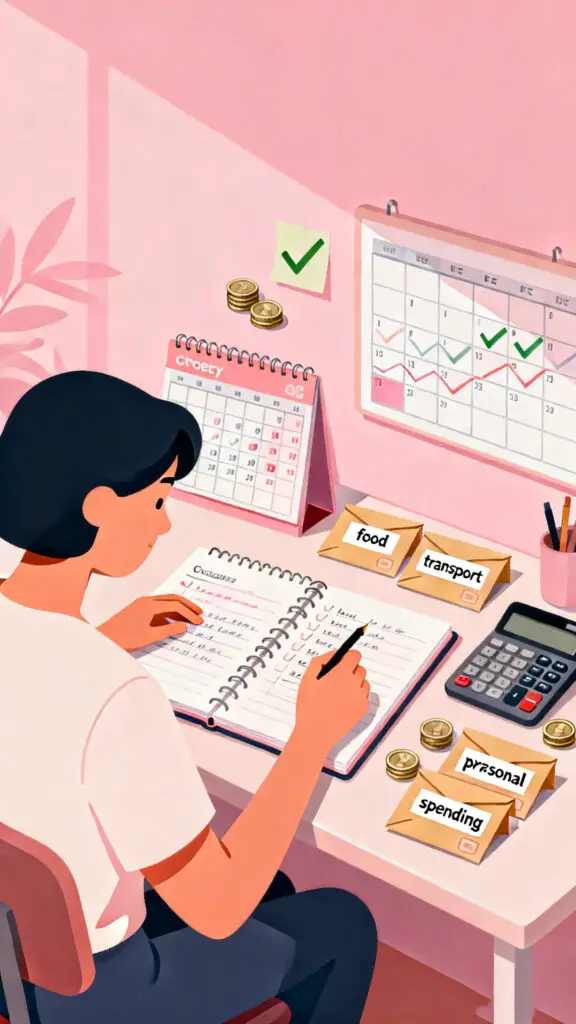
One of the smartest ways to prevent your budget from slipping again is to begin planning your weekly expenses in advance instead of spending without direction. At the start of each week, review upcoming bills, grocery needs, transportation costs, and any planned outings so that you can prepare accordingly.
When spending is planned, it becomes intentional rather than reactive, for example, creating a grocery list before shopping reduces impulse purchases, and setting a weekly spending limit for personal expenses helps maintain balance. Weekly planning also allows you to adjust quickly if unexpected costs appear, preventing small problems from becoming major financial setbacks.
Organize Bills And Payment Dates Properly
Another important step in resetting your budget is to organize your bills and payment dates in a clear and structured way because missed deadlines and late fees can quietly damage your finances and increase unnecessary stress. When bills are scattered throughout the month without a proper system, it becomes easy to forget due dates or feel surprised by payments that could have been planned earlier.
During your weekend reset, write down all your fixed monthly bills such as rent, utilities, phone payments, loan installments, and subscriptions along with their exact due dates.
Conclusion
Resetting your budget in one weekend may seem challenging at first, but with honest reflection, careful tracking, and practical planning, it becomes a powerful way to regain control over your finances. By reviewing your income, identifying unnecessary expenses, separating needs from wants, setting realistic goals, and organizing your bills properly, you create a financial system that feels clear and manageable.
A weekend reset is not about fixing everything overnight or blaming yourself for past mistakes, but about pausing, learning, and moving forward with better awareness. When you commit to small weekly check-ins and consistent habits, your budget slowly transforms from a source of stress into a tool that supports your stability and goals. With patience and discipline, one focused weekend can truly mark the beginning of a more confident and organized financial journey.