
Old-fashioned frugal living is not about being cheap or missing out on life, but it is about using what you already have in a smarter and more thoughtful way. People in the past did not rely on constant shopping or quick fixes, they learned how to stretch every dollar and penny as far as possible. These habits were simple, practical, and built around everyday life and even today, you can follow the same ideas without feeling restricted, because they are easy to adjust to modern routines. This article will help you explore old-fashioned yet helpful frugal living tips, allowing you to slow down and think before spending so you can save more, waste less, and feel more in control of your money.
1. Cook Meals at Home
Cooking meals at home can save a large amount of money over time, and it also helps you use ingredients more wisely instead of letting food go to waste. Instead of ordering food or eating out often, you can plan simple meals using basic items like rice, lentils, vegetables, and eggs.
Old-fashioned households often cooked in batches so leftovers could be used the next day, which reduced both effort and cost. When you cook at home, you also learn how to stretch ingredients across multiple meals, and that can make a big difference in your monthly budget without making life harder.
2. Use Everything Fully
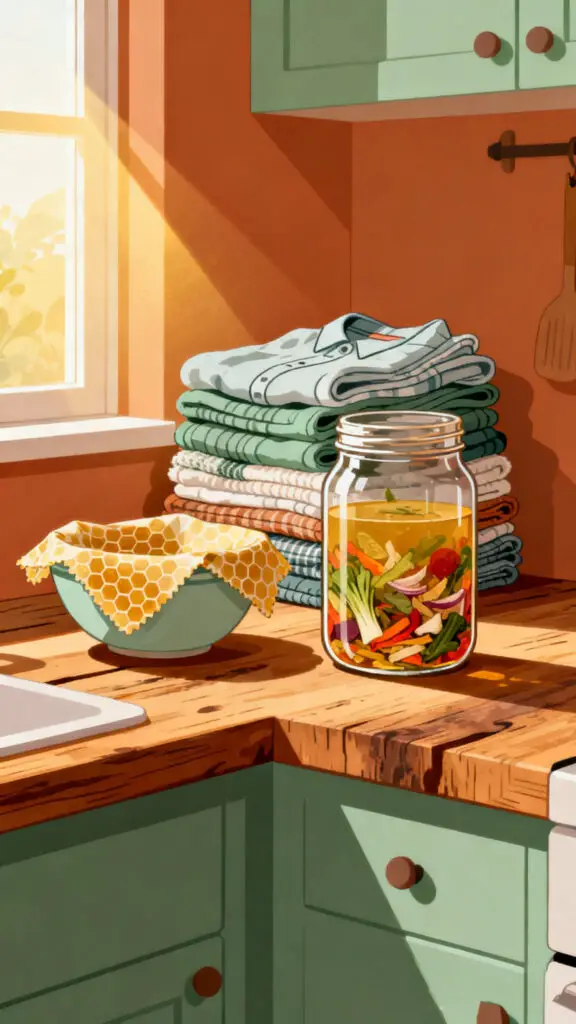
In older times, people made sure to use everything they had until it was completely finished, and that mindset can still help you save money today. Instead of throwing things away quickly, you can find ways to reuse or repurpose them, like using leftover food in new dishes or turning old clothes into cleaning rags.
Even small habits, like finishing a bottle of shampoo or using the last bit of soap, can add up over time. This approach can help you reduce waste and make you more aware of what you already own, which can stop unnecessary spending before it even begins.
3. Repair Instead of Replacing
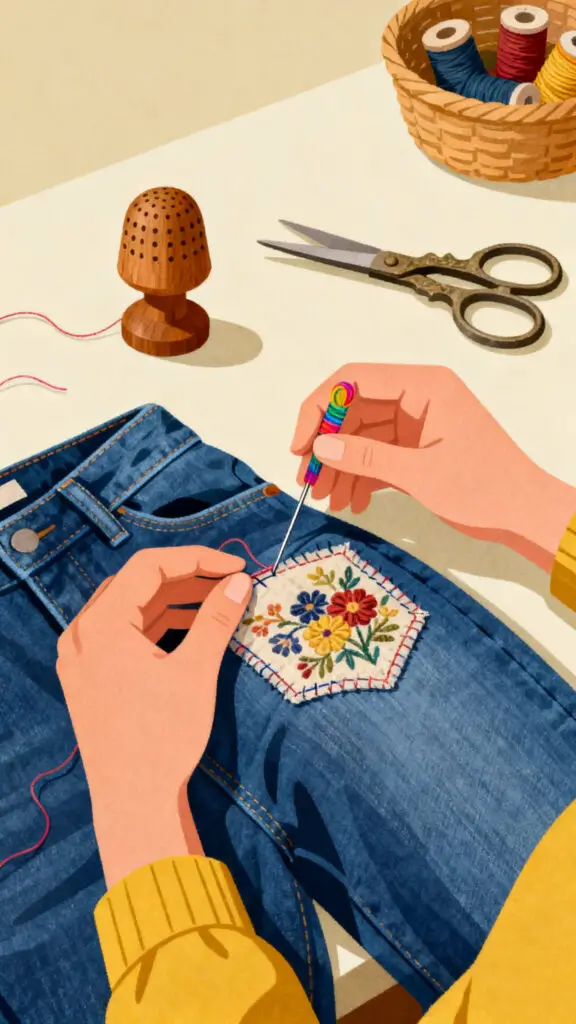
Fixing items instead of replacing them was a normal part of life in the past, and it is still one of the easiest ways to save money today. Clothes with small tears can be stitched, shoes can be repaired, and simple household items can often be fixed with basic tools.
Instead of immediately buying something new, you can take a moment to see if it can be repaired first. This habit not only saves money but also helps you value your belongings more and over time, you will notice that you are spending less because you are not constantly replacing things that could have lasted longer.
4. Grow Your Own Food
Growing your own food may sound difficult at first, but even a small effort can make a difference in your daily expenses. You can start with simple plants like herbs, tomatoes, or green chilies, which do not require much space or effort.
In the past, many families relied on small kitchen gardens to reduce grocery costs and have fresh ingredients available at all times. When you grow your own food, you also learn patience and consistency, which are useful habits in other areas of life as well.
5. Buy Only What You Need
Old-fashioned frugality was based on careful thinking before spending, and one of the most important habits was buying only what was truly needed. Instead of shopping for fun or buying things just because they are on sale, people would plan their purchases and avoid extras. You can follow the same idea by making a list before shopping and sticking to it as much as possible.
This can help prevent impulse buying and keep your spending under control. When you focus on needs instead of wants, you will notice that your money lasts longer without feeling like you are missing out on all the fun.
6. Save Small Amounts Regularly
Saving money does not always require big amounts, and in the past, people often saved small amounts regularly over time. Even setting aside a little money each day or week can grow into something useful later. You can use a saving account, an envelope, or something as simple as a savings jar and add those small amounts that will grow into something meaningful later on.
When you make saving a regular part of your routine, it becomes easier to manage those unexpected expenses that appear out of nowhere. This method may seem slow, but it works well because it builds discipline and helps you stay prepared without putting pressure on your budget.
7. Use Natural Cleaning Methods
Before expensive cleaning products became common, people used to rely on simple household items like vinegar, baking soda, and lemon for cleaning. These items are affordable and can be used in many ways around the house, from cleaning surfaces to removing stains.
You do not need a different product for every task, which can save both money and space. By using these natural methods, you also reduce the number of items you need to buy regularly. This approach can help keep things simple and effective, while also helping you avoid spending extra on products that are not always necessary.
8. Wear Clothes Longer
Clothing was once treated as something valuable that needed to last for years, and that mindset can still help you save money today. Instead of buying new clothes often, you can take better care of what you already have by washing them properly and storing them neatly.
Simple repairs like sewing a loose button or fixing a small tear can extend the life of your clothes. You can also mix and match outfits to create different looks without buying more items. This habit reduces unnecessary spending and helps you appreciate your wardrobe instead of constantly replacing it.
9. Plan Your Spending
Planning your spending was a common practice in older households, and it helped people manage their money without stress. You can follow the same idea by setting a budget for different categories like food, bills, and personal expenses. When you know where your money is going, it can become easier to control your spending and avoid surprises.
Writing things down or using a simple app can make this process easier. This habit may take some time to get used to, but it can help you stay organized and make better decisions with your money over time.
10. Avoid Waste in the Kitchen
Food waste was rare in the past because people made sure to use every part of what they had. Leftover food was turned into new meals, and nothing was thrown away without a reason. You can follow this habit by planning meals in advance and storing food properly so it lasts longer, for example, leftover vegetables can be used in soups or stir-fries, and extra bread can be turned into snacks.
This can not only help you save money but it also reduces the need to buy more groceries frequently and over time, you will begin to notice how much you can save just by being careful in the kitchen.
11. Share and Borrow When Possible
Instead of buying everything themselves, people in the past often shared or borrowed items within their community. You can do the same by borrowing things you only need occasionally, like tools, books, or special equipment.
This reduces the need to spend money on items that will not be used often, making it a smart and logical option. Another factor that makes this option a considerable one is that sharing with friends or family can also build stronger relationships while saving money at the same time. This approach helps you focus on what you truly need to own, while still having access to other items when required.
12. Use Simple Entertainment
Entertainment does not always have to cost money, and in the past, people found joy in simple activities like storytelling, playing games, or spending time outdoors. You can follow this idea by choosing low-cost or free ways to relax, such as reading, walking, or spending time with loved ones.
This reduces the need to spend on expensive outings or subscriptions and when you focus on simple enjoyment, you may find that you feel more satisfied without spending as much. This habit can help you balance your lifestyle while keeping your expenses under control, making it a considerable option for many.
13. Make Things Yourself
Making things at home was a common way to save money in the past, and it can still be useful today. You can prepare snacks, gifts, or even simple household items instead of buying them, for example, homemade food can be cheaper and healthier than store-bought options.
You can also try small DIY projects to create useful items from things you already have. Not only does this help you save money but also gives you a sense of creativity and accomplishment, and over time, you may find that you rely less on buying and more on making what you need.
Conclusion
Old-fashioned frugal living is built on simple habits that anyone can follow without making life complicated or stressful. It is about being mindful, using what you have, and making thoughtful choices with your money. These habits may seem small, but together they can create a strong and steady way of managing your finances. By slowly adding these ideas into your daily routine, you can reduce waste, save more, and feel more in control. The goal is not to limit yourself, but to live in a way that feels balanced, practical, and comfortable over time.