
If you own a house with a backyard and you’ve spent any time reading about real estate investing online, you’ve probably run into someone telling you an ADU (accessory dwelling unit) is the easiest money you’ll ever make. It’s not quite that simple, but it’s also not hype – for the right homeowner, in the right market, an ADU can be one of the better returns you’ll get on a home improvement dollar. The problem is most of what gets said about them skips the actual math. Here’s what the numbers really look like.
What an ADU Actually Costs
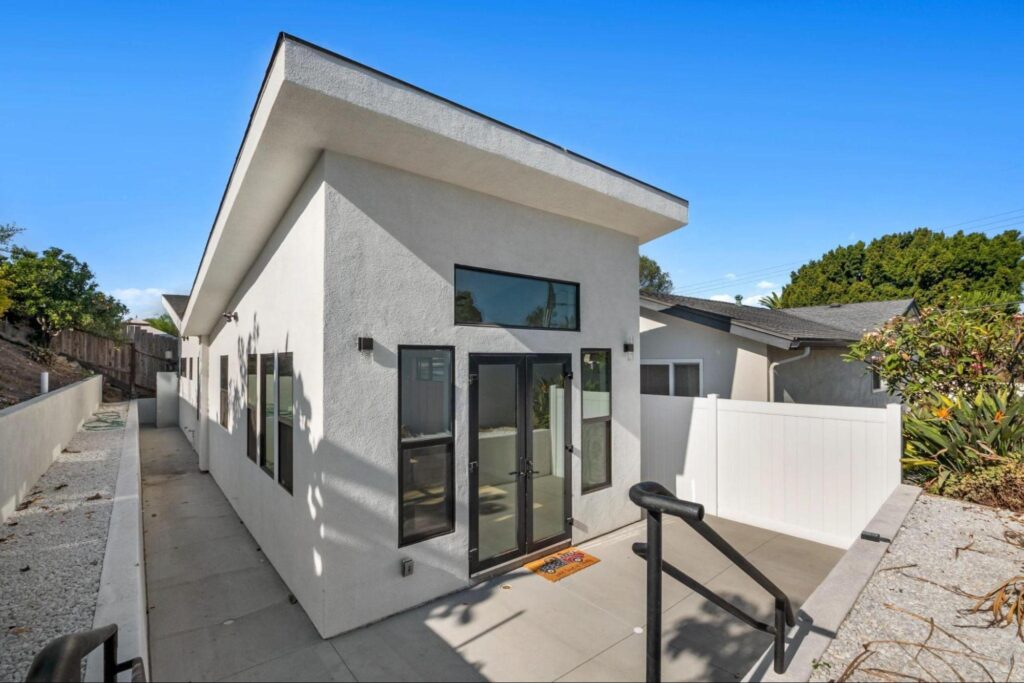
Depending on size, finish level, and whether you’re building new or converting existing space (like a garage), a fully permitted ADU typically runs somewhere between $80,000 and $380,000, or roughly $250 to $450 per square foot for new construction. That’s a wide range on purpose – a 400-square-foot studio conversion and a 1,000-square-foot detached unit with its own kitchen and laundry are very different projects with very different price tags. Before you get attached to a number you saw in a headline, get a real quote for your specific lot and goals, because “average cost” articles (this one included) are a starting point, not a budget.
How Most People Actually Pay for One
Very few people pay cash for an ADU, and you don’t need to. The most common financing paths are a HELOC (home equity line of credit) against your existing home, a cash-out refinance if rates make sense for your situation, or a construction loan that converts to a permanent loan once the unit is finished. Each has different trade-offs- a HELOC is faster to get and more flexible, but usually carries a variable rate; a cash-out refi can lock in a fixed rate but resets your whole mortgage; a construction loan is built for exactly this purpose but comes with more paperwork and inspections along the way. Whichever route you take, run the monthly payment against your expected rental income before you commit, not after.
The Rental Income Side of the Math
This is where the “easy money” pitch either holds up or falls apart. In San Diego, a well-located ADU can realistically rent for somewhere in the $1,800 to $2,800 a month range depending on size, location, and finish quality – but that’s gross rent, not profit. Subtract property tax reassessment (California reassesses the added value, not your whole property, but it’s still a real number), insurance, maintenance, occasional vacancy, and your loan payment, and your actual monthly cash flow is usually a fraction of that headline rent figure. Model it conservatively: assume one month of vacancy a year and knock 10-15% off your expected rent for maintenance and management, even if you’re planning to self-manage at first.
Working Out Your Payback Period
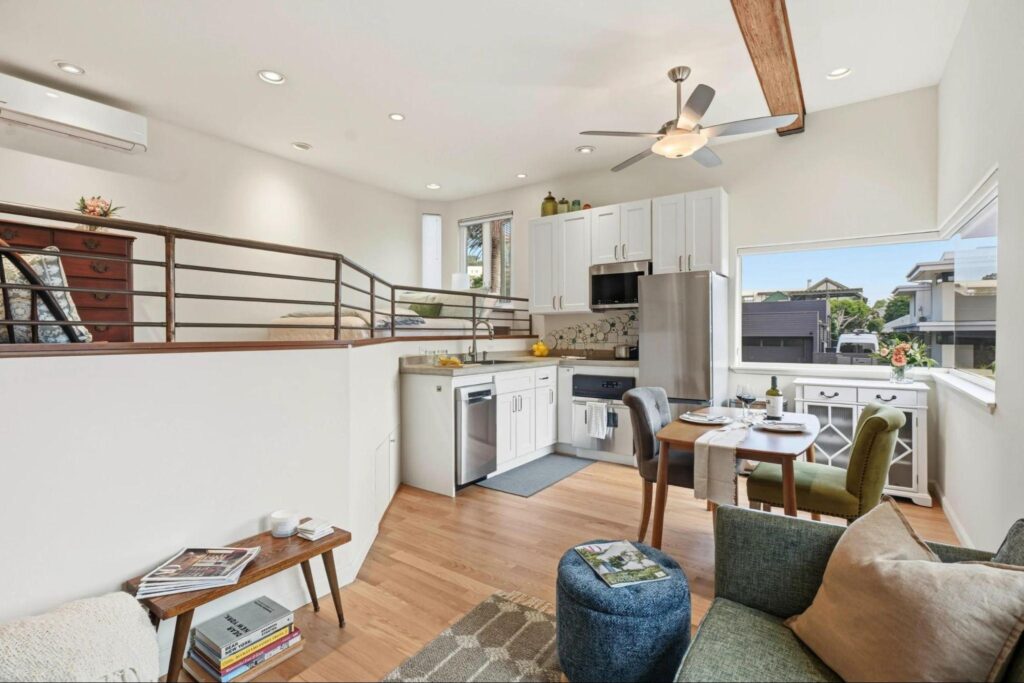
Once you have a real cost number and a real net monthly cash flow number, the payback math is straightforward division: total cost divided by annual net income tells you roughly how many years until the unit has paid for itself, before accounting for the equity and appreciation you’re building along the way. For many San Diego homeowners, that lands somewhere in the 8-15 year range, which sounds long until you remember two things: the loan is (usually) being paid down by rental income the whole time, not out of your own pocket, and you still own an asset – a second, permitted living unit – at the end of it, not a depleted expense.
When an ADU Is a Better Investment Than Other Options
An ADU tends to make the most financial sense when you already own the land (which is usually the most expensive part of adding housing), when local rental demand is strong, and when you’re planning to stay in the home long enough to actually collect several years of rent rather than selling right after construction. It tends to make less sense as a purely short-term flip strategy, since permitting and construction timelines alone can eat 6-12 months before you see your first rent check. If you’re weighing it against other investments, the honest comparison isn’t “ADU vs. stock market” – it’s “ADU vs. doing nothing with an underused backyard,” and against that comparison, the math is usually favorable.
The Bottom Line
An ADU isn’t a guaranteed windfall, and anyone promising you a specific ROI without knowing your lot, your local rent comps, and your financing terms is skipping the part that actually matters. But run through a full ADU cost breakdown for your specific situation, and for a lot of San Diego homeowners sitting on unused yard space, the combination of rental income, home equity, and long-term appreciation makes it one of the more grounded investments available to a homeowner – not a get-rich scheme, just a reasonably good use of an asset you already have.
Images Provided By: Elements Design & Build